Labor Shortages Threaten Eastern Washington’s Vital Agriculture
It's no secret Washington State is a major agriculture producer in the United States. We grow over 300 different crops around the state. Seven of those we lead the nation in production, five we hold the second spot, and three we come in third. The top ten revenue producing crops bring in over $8.85 billion to the economy.

Many of those crops are reliant on labor. Onions, apples, cherries, grapes, asparagus, pears, blueberries, raspberries, spearmint, hops, and a number of others rely on human hands along with the use of machines to harvest. Most of those hands come from Latin countries, with Mexico being the country supplying the lion's share of those workers.

There has been a process in place for a long time to help facilitate those who want to "migrate" to the U.S. to work as a farm laborer and the farms that are in need of said labor. The H-2A Program was created in 1986 as part of the Reagan Administration's immigration reforms. It enables companies to hire foreign workers on a seasonal basis when there is a shortage of workers domestically.

The visa granted to the worker gave them temporary legal status in the US. Like all government processes, the H-2A program can time to work through. Eventually, some farm operations began bypassing H-2A to hire workers. The USDA estimates that over half of migrant farm workers are here illegally. The overlooking of the rise in illegal workers may now be coming back to bite those operations, even here in Tri-Cities.
How Big Is The Problem And How Bad Could It Be?
You can blame different administrations for the actions, but the truth is the problem began years ago. The exact number of people who came in to the country illegally under President Biden isn't known, but some estimates place it around 11 million. That played a crucial role in the 2024 election as President Trump made immigration a centerpiece of his campaign.

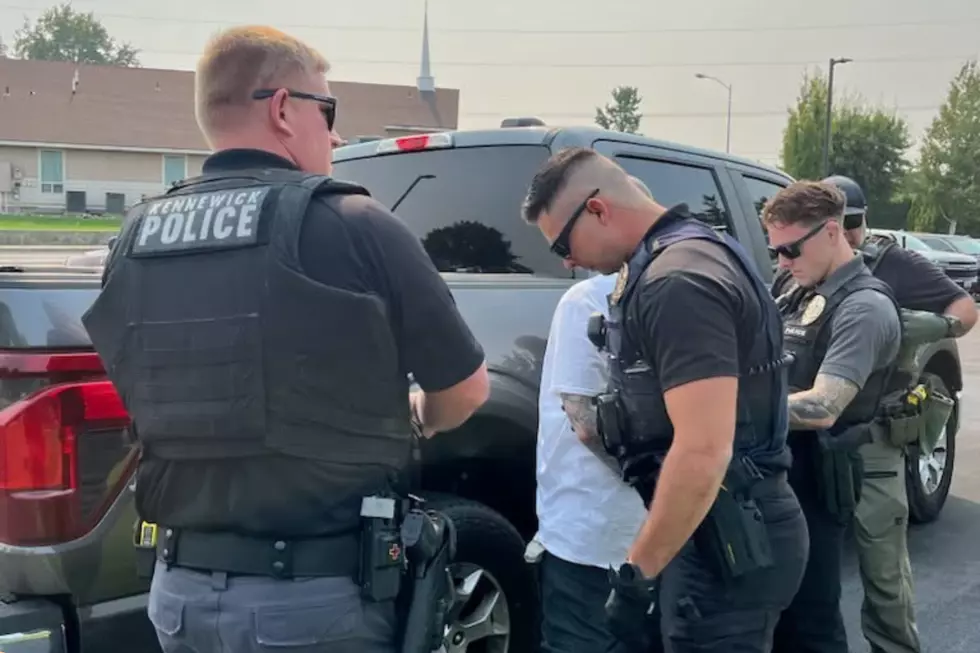
The actions to fulfill that promise are creating issues in the fields and orchards as workers fear getting arrested in a raid when they show up for work. That fear increased when the President said ICE would go after farms, hotels, restaurants, and other businesses that have traditionally hired foreign workers. Trump then paused that decision, but some reports say those raids may begin again.
Until there is a real solution to address the issue of foreign labor (which the president is apparently working on) farmers have to deal with the prospect of losing crops due to a lack of labor.
Farmers Aren't Price Setters
Farmers have to take the price they are offered for their crops. Unlike other entities they don't get to negotiate. Benton and Franklin Counties grow a lot of potatoes, tree fruits, onions, and berries. They have to be harvested in time or they will rot. There is growing fear that unless farmers get some kind of assurance their workers will be left alone their crops, and their wallets, will begin to suffer.

Benton and Franklin Counties both see over $1 billion annually in agriculture revenue so any impact to farmers will also impact the local economy.
Another Impact Could Be...
There is also growing concern that the food supply will be impacted as the crops that are picked also need to be processed. Processing plants (food and meat) also hire migrant workers. If labor shortages become an issue there it can slow down the supply chain significantly.
Calls to overhaul the H-2A system have been growing. 4th District Congressman Dan Newhouse has been pushing for passage of the Farm Workforce Modernization Act for the last few years. The system that exists now has led to the labor situation farmers are facing and while some may say playing with fire will get you burned, that burn will have a major impact on our food supply and Eastern Washington's economy.
Guide: Top 5 Counties With The Most Farmland In Washington State
Gallery Credit: Rik Mikals
More From 610 KONA