
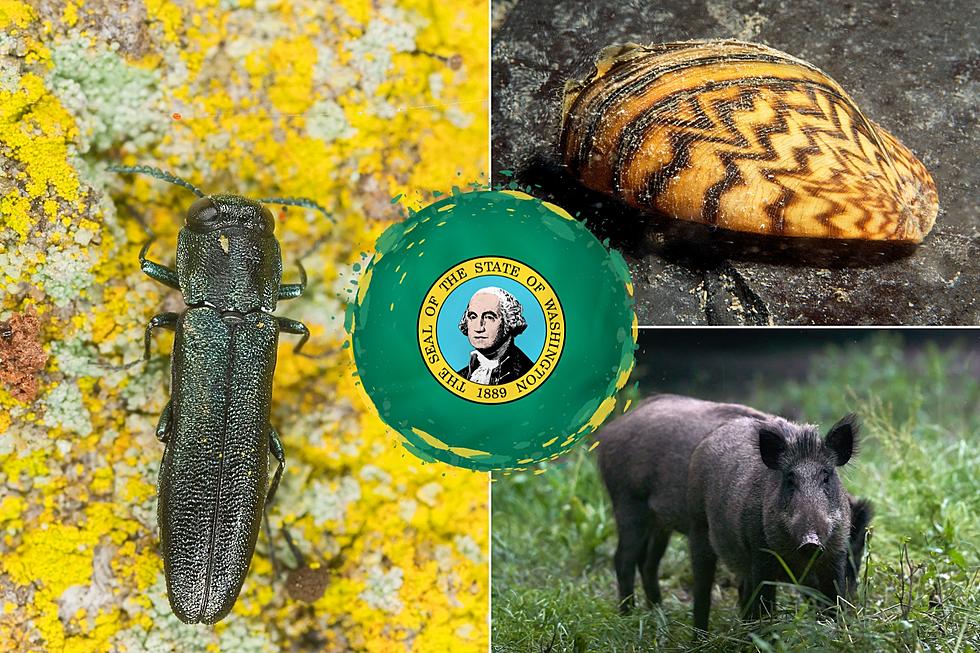
February 23rd-27th Invasive Species Awareness Week in Washington
Governor Bob Ferguson, in partnership with the state Invasive Species Council, has Proclaimed February 23-27 as Washington Invasive Species Awareness Week.
“Invasive species continue to threaten Washington’s lands, waters and communities,” Ferguson said. “Everyone, from students to farmers to outdoor enthusiasts, has a part to play in safeguarding our natural resources.”
The Washington Invasive Species Council coordinates statewide efforts to prevent, detect and respond to invasive species. During Invasive Species Awareness Week, WISC and partner agencies will offer educational resources, events and opportunities for the public to learn how to identify and report invasive species. Click Here for a link to those resources.
The Threat Is Real
“Invasive species pose real, measurable risks to Washington’s plants and animals, from salmon and orca to our forests and farms,” said Jan Fore, executive coordinator of the Washington Invasive Species Council. “This year, we’re focusing on community action and collaboration. Let’s work hand in hand to keep our state’s waters, lands and livelihoods healthy for generations to come.”

How Can You Help?
Invasive Species Awareness Week also emphasizes simple prevention steps residents can take, such as cleaning outdoor gear and watercraft, planting native or non-invasive species, and learning what invasive species to watch for in their areas. Beyond awareness and reporting, WISC has a list of actions people can take to protect land and waterways from invasive species:
- Buy firewood where it will be burned or gather it on site when permitted. Remember not to move firewood from the local area where it was harvested because it may contain hitchhiking invasive insects or their eggs. Learn more about the potential dangers of moving firewood
- Clean hiking boots, bikes, waders, boats, trailers, off-road vehicles and other gear before venturing outdoors to stop invasive species from hitching a ride to a new location. Learn about pathways that spread invasive species
- Watch for noxious weeds. Visit the Washington State Noxious Weed Control Board’s website to learn about noxious weeds and report sightings to the county noxious weed control board
- Rehome unwanted pets. Dispose aquarium plants and water, science kits and live bait properly and NOT by dumping them into waterways or other natural areas. Released pets often suffer a slow death in winter or may become invasive and damage wildlife and crops. Visit the council’s Don’t Let It Loose web page to learn how to dispose of unwanted pets and plants
- Download the WA Invasives mobile app to be ready to report sightings of invasive species. Click Here for the top priorities.
- Protect salmon and steelhead by not moving any fish from one waterbody to another. This will prevent the spread of fish diseases and protect salmon and steelhead from non-native predatory fish. Visit the Washington Department of Fish and Wildlife’s website to learn more about moving fish
- Use weed-free, certified forage, hay or mulch. Visit the Washington Department of Agriculture website to see details of its certification program
- Plant only non-invasive plants in the garden and remove any known invasive plants
- Become a Washington State University Master Gardener and help the community identify, report and properly manage exotic and invasive pests
- Volunteer to help remove invasive species from public lands and natural areas. Contact the state, county or city parks and recreation department, to learn more
- Don’t pack a pest. When traveling internationally, review travel guidelines on items that should not be brought back to the United States
- Shellfish are at risk from infectious diseases and invasive species. Never move shells or shellfish without a permit from the Washington Department of Fish and Wildlife.
Everyone Has A Role To Play
“Invasive Species Awareness Week is more than a proclamation, it’s an invitation to learn, engage and take simple, effective steps to prevent the spread of invasive plants, animals and pathogens,” Fore said. “Every action counts when protecting our beautiful state.”
If you have a story idea for the PNW Ag Network, call (509) 547-1618, or e-mail glenn.vaagen@townsquaremedia.com